A complete stranger drops ahead at the café table. The chair scratches, the cup pointers, and discussion freezes. Everybody looks around for the person who understands what to do. You can be that individual. Moving from bystander to lifesaver is much less concerning heroics and even more about preparation, method, and a calm list that lives in your hands since you've rehearsed it. That is what a great first aid and CPR course provides you: exercised muscle mass memory secured by audio judgment.
What "first aid" actually covers
First aid is the immediate help you offer prior to professional treatment shows up. It is not about changing medical professionals or extending beyond your skills. It is a focused bridge in between the moment something goes wrong and the point where a paramedic takes control of. In sensible terms, first aid covers respiratory tract, breathing, and circulation, plus hemorrhaging control, shock management, burns, choking, allergies, diabetic lows, seizures, fainting, heat and cold emergency situations, and small injuries that require cleaning and dressing.
What surprises most students is just how much you can accomplish with clean hands, a little bit of gauze, and a cool head. A first aid training day is much less a lecture on anatomy and more a rehearsal for scenes that unfold unexpectedly. You discover to scan for threat, choose in an unpleasant setting, and make use of ordinary language to work with bystanders and interact with emergency situation dispatchers.
Why a CPR course anchors the ability set
CPR training focuses on the moments when the heart stops or defeats so chaotically that it could as well have actually quit. Chest compressions and rescue breaths, incorporated with an automatic exterior defibrillator, can triple a person's chances of survival if delivered rapidly. The very first three to five minutes in a cardiac arrest are unforgiving. Oxygen decreases, body organs fall short, and every one minute without CPR tightens the window. A cpr course changes you from seeing seconds melt away to utilizing those seconds well.
For lay responders, contemporary standards highlight hard, quick compressions at a rate of roughly 100 to 120 per min, with very little disruptions. The song that matches the beat works in a pinch, however rhythm is only half the tale. Depth issues also. Grownups need concerning 5 to 6 centimeters of breast clinical depression, after that complete recoil so the heart can replenish. That complete launch is where students stumble early, particularly when fatigue sets in. Good cpr training teaches just how to change compressors every 2 mins without losing the rhythm.
The composition of a solid first aid course
A solid first aid course begins with a threat lens. Instructors ask where you live and work, what threats you encounter, and what you've currently managed. A busy cooking area has various dangers from a warehouse, which looks various once more from a child care facility. When first aid courses adapt to context, students take in more and remember longer. You could invest added time on burns and cuts in friendliness, on crush injuries and bleeding control in building and construction, or on bronchial first aid course close to Maitland asthma and anaphylaxis in schools.
The best programs fold up scenarios into every component. You do not simply learn just how to apply a pressure bandage; you do it while somebody plays the panicked colleague, the noise distracts you, and the clock keeps relocating. You do not remember the recovery position by taking a look at slides; you roll a classmate onto their side, look for breathing, and wedge a hand under the cheek to safeguard the respiratory tract. First aid training that really feels untidy sticks.
Expect an equilibrium of brief theory bursts and high-repetition technique. For example, after 10 minutes on the physiology of shock, you could turn via stations: one for hemorrhaging control using tourniquets and hemostatic dressings, one for identifying very early shock indicators like clammy skin and rapid pulse, and one for comfortably directing a helper to call emergency situation services while you elevate legs and maintain heat. It is not attractive work, however it is the kind that conserves lives in average settings.
The twin credential: first aid and CPR together
Combining first aid and CPR training makes good sense due to the fact that real incidents rarely regard clean categories. Think about a serious allergy where swelling intimidates the airway, after that the individual falls down. Or a drowning where spine injury is feasible. A first aid and CPR course stitches the series together, training you just how to transition from assessment, to respiratory tract defense, to compressions and AED placement without wasting time or composure.
If you are picking among first aid and cpr courses, look for incorporated scenarios. The fitness instructor must not deal with CPR as a separated skill block that lives besides the remainder of first aid. In the real world, you frequently do a rapid ABC check, then move right away into compressions when you locate no breathing. The most effective programs make those handoffs really feel all-natural. By the end of day one, you should have the ability to talk through your actions as you do them, not afterward.
What an AED really does, and why it matters
The AED is the least challenging piece of clinical equipment you will ever utilize, and it is entitled to that track record. Open the lid and it speaks with you. The device analyzes the heart rhythm and decides if a shock is shown. If it is, it asks you to stand clear and press a bright switch. If not, it tells you to continue CPR. A first aid and cpr course demystifies the steps, consisting of cutting a very hirsute breast for pad bond, wiping sweat, and positioning pads on the best places: top right upper body and reduced left side for adults.
Key information that training drills in: return to compressions right away after a shock unless the tool tells you otherwise. Students often stop briefly to try to find indications of life, which sets you back blood flow. The AED will lead, and you comply with, compressions first, then reanalysis every 2 mins. If you have a 2nd person, they can handle the AED while you compress. If not, you manage both, and a few seconds lost to pad placement are far better than waiting numerous minutes for someone else to arrive. The AED is developed for one rescuer use.
Real situations, distilled lessons
A barista that finished a first aid course noticed a heavyset normal turn ashy and glassy-eyed while standing in line. He leaned against the counter and glided down. She called out for somebody to dial emergency situation, touched his shoulder, and located no feedback. Breathing was lacking. She started compressions and asked a neighboring guard to look for an AED. When paramedics got here, they supplied a shock and took control of. The guy endured. She attributed the course not with magic but with silencing her mind enough to do 3 points in order: check responsiveness, call for assistance, begin CPR.
Another learner, a storehouse team lead, utilized hemorrhaging control abilities when a band broke and cut a colleague's forearm. He identified the arterial eruption, applied firm straight pressure, and afterwards a tourniquet simply over the wound when the bleeding soaked with. His group had a trauma package on the forklift. He kept in mind the time of application and informed the paramedics specifically what he had actually done. Blood loss stopped, the employee supported, and the surgical treatment went smoothly. The distinction was not exotic devices, it was trained hands and a clear mental model of just how to intensify stress, packaging, and tourniquet use.
How commonly to revitalize, and why it matters
Skills deteriorate. Data from training examinations recommend an obvious drop in CPR quality after three to six months without method. That does not mean you require a complete cpr refresher course every quarter, however it does indicate you must seek regular hands-on refreshers, whether formal or casual. Several offices set up brief drills that last 10 to 15 minutes, just enough to place your hands on a manikin and remind your body of the technicians. A yearly cpr refresher course secures the habit back in.
First help expertise discolors more slowly, yet protocols do change, and self-confidence deteriorates without use. Plan for a comprehensive update every a couple of years, or quicker if your certificate needs it. If you lug a first aid certificate for work, mark the expiry in your calendar and backstop it with micro-practice sessions after any event you handle. Debrief with associates or your trainer. Note what really felt smooth and what snagged.
Choosing a fitness instructor: past the brochure
An excellent instructor is a coach and a skeptic. They enhance what works and press you when your hand setting drifts, your compressions superficial, or your scene security check becomes rote. Buy first aid pro fitness instructors with deep field experience: paramedics, emergency situation registered nurses, or experienced initial -responders. Degrees on the wall surface issue less than their capability to mimic actual stress and give exact, motivating feedback.
Look for programs that cap course dimension, preferably in the reduced teenagers, so you invest more time with your hands on equipment than in a chair. Ask the amount of manikins are offered, what AED instructors you will use, and whether the course includes practical moulage for trauma situations. In my experience, students keep in mind the smell of phony blood and the feeling of sticky gloves long after a slide deck has actually faded.
When and where to utilize improvisation
First help does not occur in a facility. It takes place in kitchens, playgrounds, parking area, planes, and silent bed rooms. Improvisation is part of the craft. A folded up Tee shirts becomes a pressure pad. A belt or triangular bandage comes to be a sling. A bank card assists flick out a stinger without squeezing more venom. A kid's hoodie rolled behind the shoulders raises a tiny air passage to neutral. First aid training motivates clever improvisation secured by principles: direct stress over blood loss, respiratory tract placement, warmth conservation, and minimal movement of possibly hurt spines.
The edge case is the pressure to over-improvise. Tourniquets are an instance. A well-designed business tourniquet works naturally and quickly. A makeshift tourniquet can work in a pinch, however it is simple damage and difficult to generate sufficient stress without cutting the skin. If your atmosphere has also a moderate threat of extreme bleeding, stock genuine gear and train with it.
Special populations, practical tweaks
Children are not tiny adults. For pediatric CPR, breast compression deepness has to do with one third the chest's front-to-back measurement. For babies, utilize 2 fingers at the sternum; for older children, 1 or 2 hands depending upon dimension. Rescue breaths ought to be gentle, simply enough to see the upper body increase. Choking procedures likewise differ. For babies, you alternative back slaps with chest thrusts. Training manikins for pediatric technique make these differences concrete.
Pregnant individuals existing one more nuance. In late pregnancy, the bigger uterus can compress the vena cava when the patient lies flat. Turning the client a little to the left or manually displacing the womb can boost blood return. For a person with a dental implanted defibrillator or pacemaker, AED pads must rest a minimum of a couple of centimeters away from the tool lump. If the upper body is wet, dry it promptly before using pads to avoid existing shunting. Piercings, if present, do not need to be eliminated, simply stay clear of putting pads directly over metal.
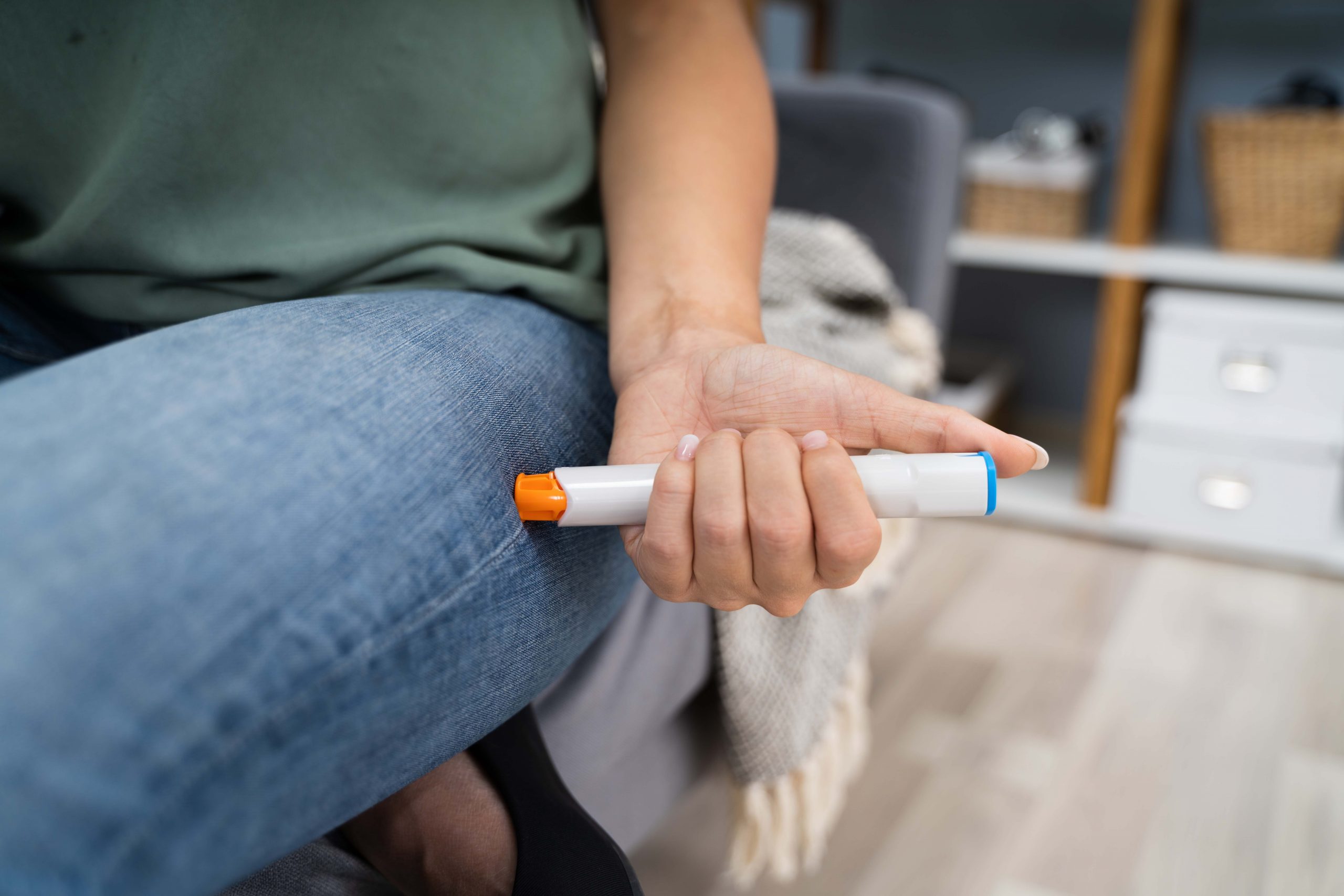
Allergy and bronchial asthma require definitive action. For anaphylaxis, the epinephrine auto-injector is time crucial. Inject right into the outer thigh, with garments if required, hold for the advised secs, then massage. If breathing is compromised or signs and symptoms persist, a 2nd dose may be necessary, usually first aid training Maroochydore after five to 10 minutes, relying on the device's instructions and neighborhood guidelines. For asthma, use a spacer with the inhaler if offered. Provide one smoke at a time, with four to 6 breaths between smokes. These are little details with big consequences.
What the certificate represents
A first aid certificate or CPR certificate is not just paper to satisfy a job demand. It is a contract with yourself and your neighborhood. It states you have exercised the fundamentals enough to appear under stress, adhere to a series, and maintain going when your arms shake. It likewise states you acknowledge your restrictions. You understand when to hold back safety measures, when to refuse to relocate somebody without an engaging reason, when to go back from a dangerous scene and wait on firemans, and when to secure yourself with gloves and eye shield.
Depending on the jurisdiction, certifications run out each to three years. Some employers need certain components, such as psychological wellness first aid, oxygen administration, or advanced bleeding control. If you monitor groups in higher-risk settings, it is a good idea to go beyond the minimum. The price difference between a standard course and a detailed first aid and cpr course usually runs to a few added hours and a moderate fee, while the value in a crisis is immeasurable.
Building a simple, smart kit
You do not need a backpack that appears like a rescue. Keep a compact package in your vehicle or desk and make sure your workplace package is equipped. Focus on items that address typical troubles: handwear covers, gauze, triangular bandages, flexible wraps, adhesive bandages, antibacterial wipes, a CPR face guard or mask, an aluminum foil blanket, and a tourniquet ranked for medical usage. If you care for kids, include little adhesive bandages and a digital thermometer. If you trek, add sore pads and an irrigation syringe for cleaning wounds.
Two guidelines make packages in fact beneficial. Initially, open and experiment the equipment you lug. If you have actually never tightened your tourniquet or unwrapped your hemostatic gauze, you are not ready. Second, placed a restock card in the package. When you use a thing, compose it down and change it that week. A first aid package becomes a box of wrappers faster than people think.
A sensible, memory-first sequence for heart arrest
Below is a compact list that several students find memorable under anxiety. Utilize it as a mental metronome.

- Check safety, faucet and shout, try to find regular breathing. Call emergency or indicate a bystander to call and fetch an AED. Start compressions: facility of breast, 100 to 120 per min, 5 to 6 cm deepness, full recoil. Attach AED when it arrives, follow its motivates, return to compressions instantly after any kind of shock. Switch compressors every two minutes if aid is available, minimize pauses.
Practice this sequence aloud in class up until your mouth and hands relocate together. The objective is not speed up for its own purpose. It is level of smoothness, without long gaps.
Fear, reluctance, and the inner voice that talks you out of acting
The most usual reason people not do anything is not lack of knowledge. It is anxiety of doing injury. That worry is reasonable and it eases with technique. In cardiac arrest, the individual is scientifically dead without intervention. Efficient CPR does not make them even worse. Broken ribs may take place, specifically in older adults, and that is acceptable in the context of saving a life. In bleeding control, the fear of a tourniquet creating long-term injury is obsoleted when the device is used properly and the moment is tracked. Modern proof supports very early tourniquet usage for dangerous limb bleeding.
There is likewise the fear of illness transmission. Barriers like a CPR mask and handwear covers decrease risk, however chest-compression-only CPR stays an alternative if you are unwilling or not able to deliver breaths. One of the most essential action is to start compressions fast. When you consider all these concerns ahead of time, and rehearse words you will certainly claim, the inner debate quiets. A first aid pro instructor will aid you script those initial seconds.
Legal defenses and acting in good faith
Good Samaritan legislations in lots of regions shield lay rescuers who act reasonably and in great belief. Practical methods within your training and without gross neglect. You are not obliged to be ideal, you are obligated to try within a practical structure. If you hold a first aid certificate, your training gives you the standard to meet: scene safety and security, consent when feasible, clear communication, and appropriate escalation. If you should quit since the scene comes to be unsafe, you change to a support role and relay information to showing up professionals.
Document what you did if the incident happens at work. A brief, factual note with times, monitorings, and treatments assists with connection of treatment and future knowing. Prevent content comments. Stay with what you saw and did.
The worth of repetition and reasonable feedback
There is no replacement for comments that pinpoints what your hands and eyes are really doing. Modern CPR manikins can report compression deepness, price, and recoil. If your course includes this equipment, you will see your numbers in actual time and change. Without comments, a lot of learners compress also shallowly and stop briefly also long throughout transitions. The repair is 10 minutes of directed practice with specific mentoring. That solitary session can increase the effective circulation your compressions generate.
Scenarios reveal dead spots as well. For instance, numerous students neglect to look under an individual's body for hidden blood loss after a fall. Others miss the soft indications of internal bleeding after a candid trauma when external injuries look small however the person ends up being pale and restless. Repeating embeds these checks into your flow. Instructors typically claim, slow-moving is smooth and smooth is quickly. The point is not actual sluggishness, it is intentional precision that prevents backtracking.
When to emphasize requiring help
Not every trouble requires hands-on therapy initially. A seizure that solves in under 2 mins might require security from injury and quiet peace of mind while you time the event. Someone with crushing upper body discomfort that is still aware demands tranquil, setting of convenience, and an aspirin if not allergic or contraindicated, after that a timely ambulance reaction. Calling early while signs evolve acquires time, and it avoids the catch of waiting to see if it gets better. The rule of thumb is basic: if you assume you may require a rescue, you probably do. Make the telephone call, then maintain assessing.
How to maintain learning after your course
Competence expands in layers. After your preliminary first aid and cpr course, add focused modules based upon your globe. If you train youth sporting activities, find out more concerning trauma administration and warm disease. If you hike or function outdoors, take a wild first aid course that covers emptying choices when aid is hours away. If you work in a laboratory, include chemical melt procedures and eyewash station drills. Each layer includes nuance without bloating your core reaction sequence.
Peer practice is underrated. When a quarter, get two colleagues, set a ten-minute timer, and run a micro-scenario. A single person plays the client, one leads the response, one observes and gives comments. Rotate duties. Utilize what you have around you, not a perfect training room. The first aid course near Hobart factor is not staged precision. The factor is friction: loud areas, unpleasant furnishings, missing products, and the day-to-day obstacles that materialize saves challenging.
A quick step-by-step for bleeding control you can recall under pressure
Here is a small sequence for deadly outside bleeding.
- Expose the wound rapidly, use straight pressure with gauze or any type of clean cloth. If bleeding soaks via, do not remove the very first layer, include more and press harder. If still bleeding greatly from an arm or leg, use a commercial tourniquet high and limited, note the time. For junctional wounds in the groin or underarm, pack with hemostatic gauze and hold strong pressure for numerous minutes. Keep the person warm, display for shock, and turn over information to paramedics.
In class, you will certainly practice this up until your hands locate the correct amount of force without uncertainty. The stress required is greater than many people recognize, which is why hands-on reps matter.

The course from bystander to lifesaver
The difference in between watching and acting comes down to three points you regulate today. Initially, spend a couple of hours in a quality first aid and cpr course. Second, maintain your skills to life with a cpr refresher course on a normal cadence and short technique in between. Third, lug a minimal set you understand how to use. None of this turns you right into a paramedic. It does something quieter and much more dependable. It indicates that when a chair scuffs the flooring and a mug shatters on ceramic tile, your brain grabs an exercised checklist rather than panic.
People keep in mind the sound of your voice greater than anything you did with your hands. In emergency situations, tranquil language produces order. I am learnt first aid. You are going to be all right. I am examining your breathing. You, please call a rescue and bring the AED from the entrance hall. Declarations like these punctured sound and give others helpful jobs. It is not theatrics, it is management, and it is offered to any person that has rehearsed the basics.
Your readiness is an area asset the minute you gain your first aid certificate. It travels with you to the coffee shop, the train, the sideline, the back workplace at closing time, the family dinner. Accidents and unexpected diseases do not wait for specialists, yet they do pay attention to skill and stable hands. Train well, freshen often, and be the individual that advance when it counts.